AI Is Transforming Deaf Access Right Now

Real talk: The tech revolution is HERE and it’s happening as we speak!

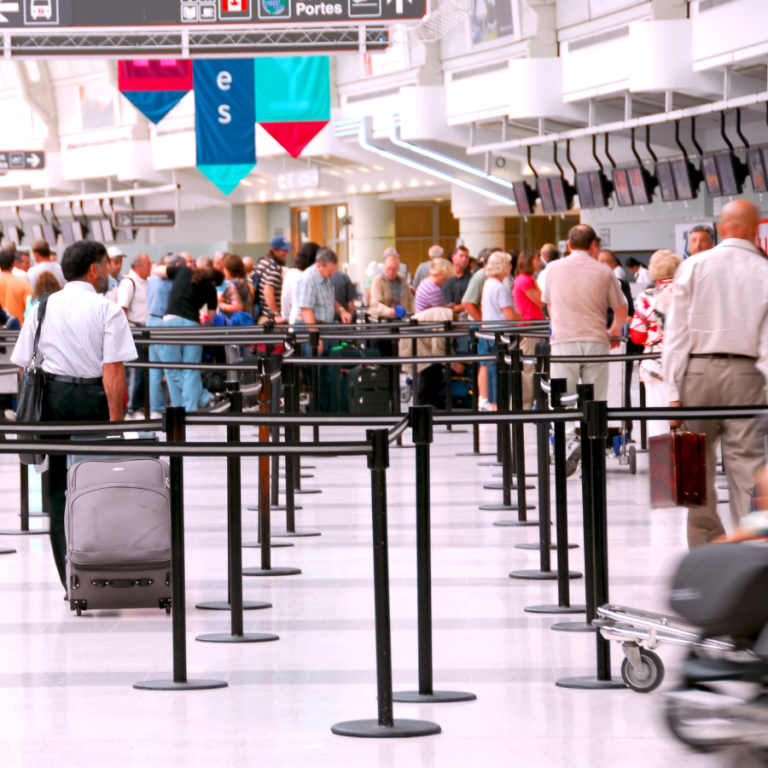
This Year’s Breakthrough: Billy Bishop Toronto City Airport is rolling out real-time sign language technology that displays ASL and transcribes gate changes, delays, and boarding announcements on screens The Link! No more missing your flight because you couldn’t hear the announcement! ✈️

What We’re Seeing This Year: 🎧 Auracast – groundbreaking Bluetooth tech that lets multiple users connect wirelessly to a single audio source Cicada Sign 👓 Smart glasses with real-time captions & sign language interpretation 📱 AI-powered apps that translate spoken language into ASL instantly 🔊 Advanced hearing aids with AI noise filtering

But here’s where it gets complicated… 🤔

A recent survey from November found that assistive tech nearly DOUBLED independence rates – from 37% to 60% for Deaf users and 33% to 63% for Hard-of-Hearing users PR Newswire. That’s HUGE! 🎉

BUT there’s ongoing discussion in our community about AI lacking distinction between spoken English and ASL, with concerns that captioning is seen as “the key to everything” when ASL users need interpretation in their FIRST language Tulane Hullabaloo.

The real question: Can AI enhance our access WITHOUT replacing human interpreters and the nuanced understanding they bring?

Learn More: 🔗 AI Innovation for Deaf Community 🔗 2025 Assistive Tech Advancements 🔗 Communication Barriers Survey Results 🔗 How AI Helps Deaf Community

What do YOU think? Are you excited about AI accessibility tools or worried about losing human connection? Drop your thoughts below! 👇💬

#DeafTech #AIAccessibility #DeafCommunity #AssistiveTechnology #ASL #DeafInnovation #Accessibility #TechForGood #DeafRights

‘This is what progress looks like’: New program aims to increase ASL access at ROC airport | RochesterFirst

The Frederick Douglass Greater Rochester International Airport unveiled a new program ROC will implement to make traveling a breeze for those who are deaf and hard of hearing.

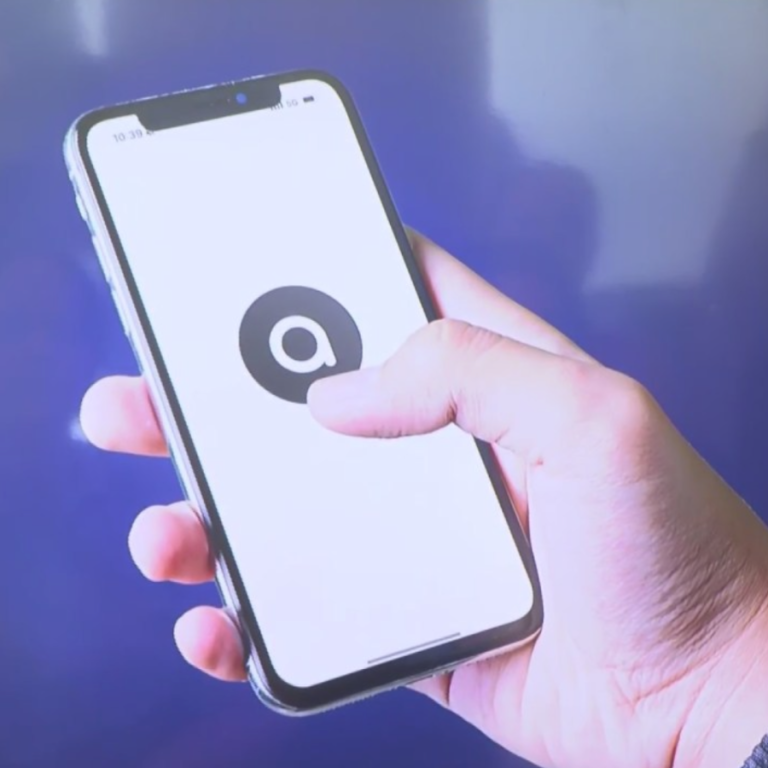
Travelers will now find QR codes all around the airport to download the free app Aira ASL. One button press in the app and users will directly connect to a live interpreter to be used for anything at the airport, from TSA to restaurants, and even flight/gate changes.

Not only will travelers who are deaf and hard-of-hearing gain completely free access to this live interpretation service, but ROC airport will be training their employees with this app too, guaranteeing confidence and clarity for everyone.

Click here to continue reading.

This App Connects Public Transit Riders to Live ASL Interpreters | CNET

Starting Monday, the Metropolitan Transit Authority will make it easier for deaf and hard-of-hearing New Yorkers and tourists to communicate with transit staff by scanning a QR code. That code will lead them to an app called Convo Now, which will connect them with a live sign language interpreter so they can more easily engage with MTA staff and get answers to any questions.

The pilot program kicks off in over a dozen locations (listed below) and will be free to transit users. The QR codes will be posted on green signs on a window or booth, and will direct users to a live ASL interpreter in the Convo Now app, making it easier for MTA employees who may not know ASL to engage with more riders. The program is launching through the Transit Tech Lab, an initiative created by the MTA and the Partnership Fund for New York City to make the city’s transit more accessible and efficient.

Quemuel Arroyo, the MTA’s chief accessibility officer, says New York is the perfect location for this pilot program because of the high volume of residents and tourists.

“No other transit system in all of North America has the volume that we have, over 6 million customers daily between our trains, our buses, our railroads, and we’re giving that service to everybody,” Arroyo said. “That customer base has a myriad of needs, and that’s what makes this case study so important and so impactful.”

Transit staff can be found within booths, by fare machines or on platforms, depending on the issues of the day. Ideally, deaf and hard-of-hearing transit riders can find a staff member and communicate with them via Convo interpreters.

Convo Now is one of a handful of services looking to boost digital accessibility by tapping into mobile technology. Big Tech companies have also been focused on expanding their offerings to a wider range of users in recent years, increasingly leveraging AI to do so. For instance, Google has rolled out more expressive captions to better convey emotion and tone, Apple has improved Siri to better detect atypical speech and Amazon has added text-to-speech and captioning features to Alexa. This is all part of an effort to make platforms and services available to more people – and more customizable and helpful for everyone.

Click here to continue reading.

Zamonos

A relatively new platform called Zamonos, which allows you to search for and enter information on the accessibility of the places you go. Sort of like a YELP for accessibility. You can rate restaurants, shops, arenas, parks, etc. I encourage you to check it out, and even to enter in some information about a place you frequent that is disability friendly. This was started by a woman in Connecticut who has a child with a disability and is an ally of the movement.

Click here to learn more.

MSP debuts enhanced accessibility programmes | Airports International

Minneapolis-St. Paul International Airport (MSP) is expanding its accessibility programme with two initiatives aimed at helping travellers and airport visitors who are deaf or hard of hearing.

MSP is launching Aira’s pilot American Sign Language (ASL) interpreting service, Aira ASL. Also being rolled out is talk-to-text, a separate programme which uses technology to convert live airline announcements into text that is displayed for passengers at the gate.

“These new programmes offer our passengers, visitors and customers who are deaf or hard of hearing more independence and real-time assistance across MSP terminals and facilities,” said Phil Burke, assistant director of customer experience for the Metropolitan Airports Commission, which owns and operates MSP. “Thanks to key technology partners and input from MSP’s Travelers with Disabilities Committee, we are able to broaden our services that help to meet the diverse needs of those who travel through the airport.”

Aira ASL
Aira ASL offers secure, on-demand access to professional ASL interpreters. Interpreters will partner with callers through their mobile phones to help them with all kinds of situations – including checking in, changing flights, making retail transactions, or finding ground transportation options. There is no charge to users who access the programme while traveling through MSP.

“There is a significant gap in the availability of on-demand ASL interpreting in everyday situations and public spaces. Existing solutions often require advance scheduling, or the use of hard-to-locate access points, or outdated devices,” said Jill Ratliff, vice president of business development at Aira. “Aira ASL is an innovative solution because it can be accessed anytime, anywhere, using personal devices. Our geofence technology provides deaf and hard-of-hearing travellers with immediate, frictionless access to an interpreter, and offers the deaf and hard-of-hearing community interpreting on their own terms anywhere on the MSP property.”
Click here to continue reading.

Communication Card for the Car | mamahuhears.com

All Inclusive Premium Vacations | Deaf Resorts